Special discounts on premium hing!

Exploring the Medical Benefits and Cultivation of Hing (Asafoetida)
11/13/2025
Introduction to Hing (Asafoetida)
Hing, scientifically known as Ferula foetida, is a spice that is derived from the resin of the giant fennel plant. Initially used in ancient Indian cuisine, this pungent spice has made its way into the medical realm due to its numerous health benefits and medicinal properties. Known for its strong odor, hing has a unique flavor profile that enhances various dishes, but its significance extends far beyond culinary uses.
Medical Benefits of Hing
The medical benefits of hing are profound and have been recognized in traditional medicine, particularly within Ayurveda. One of the primary therapeutic uses of hing is its role in aiding digestion. It is known to alleviate bloating, gas, and indigestion, making it a staple for digestive health. Incorporating a pinch of hing into meals can promote gastrointestinal well-being.
In addition to its digestive benefits, hing possesses anti-inflammatory properties, making it effective for alleviating pain. Studies suggest that hing may be beneficial in managing inflammatory conditions, supporting joint health, and providing relief from ailments such as arthritis.
Hing is also known for its antimicrobial properties. By combating harmful bacteria and pathogens, it aids in supporting the immune system, thus contributing to overall health. Furthermore, hing's ability to act as an expectorant can be advantageous for respiratory health, particularly in managing issues related to coughs and bronchial congestion.
Harvesting and Cultivation of Hing
The cultivation of hing is a meticulous process, primarily carried out in the regions of Iran, Afghanistan, and northern India, where the climatic conditions are suitable for its growth. Harvesting hing involves careful extraction of the resin from the roots of the plant. This process typically takes three to four years, as it requires the plant to mature sufficiently.
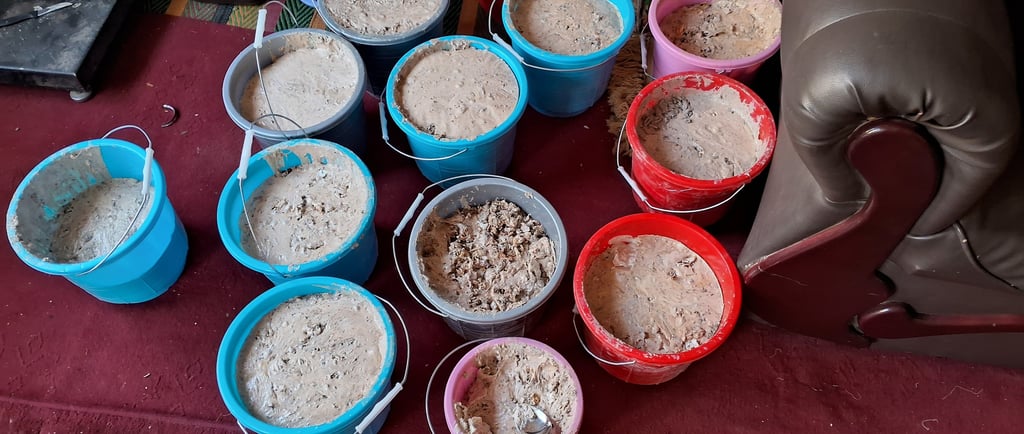
Farmers begin by cutting the plant's stem, allowing resin to ooze out, which hardens upon exposure to air. Once the resin is collected, it is then cleaned and processed for culinary or medicinal use. Adequate care must be taken during both the harvesting and cultivation phases to ensure the quality and potency of the hing.
In terms of cultivation, the giant fennel plant requires a dry climate, well-drained soil, and a specific growing season. Farmers need to employ sustainable practices to maintain soil quality and manage water resources to optimize crop yield. Due to its niche growing conditions, hing remains a relatively rare spice that commands a premium price in the market.
Conclusion
In conclusion, hing (asafoetida) is a remarkable spice that not only enhances culinary experiences but also offers a plethora of medicinal benefits. Its applications in traditional medicine highlight its importance as a natural remedy for various health issues, particularly related to the digestive and respiratory systems. The intricate process of harvesting and cultivating hing adds to its uniqueness, making it a valued ingredient in both kitchens and apothecaries. With a growing interest in natural remedies, hing continues to be a focal point for both culinary and health enthusiasts alike.